
REASONS TO CHOOSE LEADWORK SPECIALISTS FOR ORNATE DETAILING IN BURGESS HILL OVER ROOFING COMPANIES
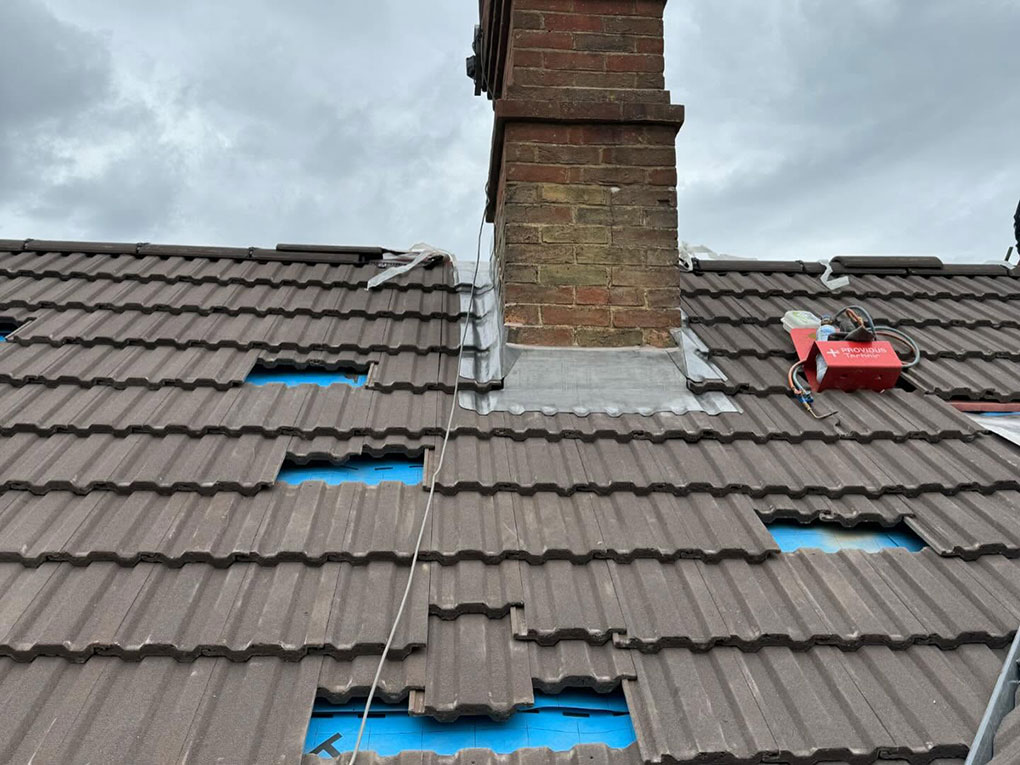
There are plenty of good roofing companies in the Burgess Hill area capable of carrying out the maintenance, repair and replacement work needed on different types of roofs. When you have a damaged/fallen slate or tile, a leaking roof or an area that needs professional attention, a roofer may be exactly the tradesperson you need.
But what happens if a roof has unusual shapes, decorative features or intricate lead detailing?
This is when it can make more sense to speak to a company of leadwork specialists.
At Traditional Leadwork, we work with property owners from Burgess Hill who need more than a standard roofing solution. From weatherproofing details to more complicated architectural features, we understand why some jobs call for experience and a particular set of skills.
NOT ALL ROOFING WORK IS THE SAME
Most people won't spend much time thinking about how their roofs are put together. As long as everything stays dry, there is usually no reason to.
However, roofs can be surprisingly complicated.
A property in Burgess Hill might have sloping sections, flat areas, a chimney, dormer windows, parapet walls or other features that interrupt the main roof covering. Each of these can create places where materials need to meet, change direction or fit around an awkward shape.
Lead is commonly used on pitched roofs for flashings and other details around features, such as chimneys and roof junctions. Flat roofs may also incorporate leadwork. Some use lead as their main covering.
The important thing is that each application needs to be designed and installed correctly.
WHY ORNATE ARCHITECTURAL FEATURES NEED EXTRA CARE
Lead is a versatile roofing material. It can be shaped to fit different surfaces, which makes it so useful for either straightforward weatherproofing or more detailed architectural work.
But being able to shape lead doesn't mean every installation is simple.
Decorative roof features may include curved surfaces, complex corners, unusual joints or more ornate detailing that needs to match the existing building. Getting these details right involves a little more than making the finished work look attractive. The lead must also be installed in a way that allows for thermal movement, rainwater management and weather protection.
Poorly planned joints or incorrect fixing arrangements can cause problems, even when the job looks acceptable from ground level. Experienced leadwork specialists understand how these practical requirements affect the finished result.
CAN A GENERAL ROOFER CARRY OUT SPECIALIST LEADWORK?
Of course. Some roofing companies employ skilled leadwork specialists or have a considerable amount of experience with complicated lead installations. The distinction isn't simply between a roofer and somebody who only undertakes leadwork. It is about whether the person carrying out the job has the right experience for the work involved.
A straightforward repair to a roof covering is different from forming a decorative lead feature or reproducing detailed work on an older property. If a project involves unusual shapes or ornate detailing, it is worth asking whether the contractor has completed similar work before.
Some photographs of previous projects, an explanation of the proposed methods and evidence of the contractor's understanding of the materials involved can help you to make an informed decision about the best tradesperson to use on a project in the Burgess Hill area.
LEAD ROOF FLASHING NEEDS THE RIGHT APPROACH
Lead roof flashing is an important part of many roofing installations.
It helps to protect vulnerable junctions where the roof meets a wall, chimney or another part of the building. Without properly designed and fitted flashings, rainwater could find its way into areas that should remain dry. On properties with more complicated architectural features, the flashing arrangements can be less straightforward.
Different roof pitches, changes in direction and awkward junctions can call for carefully formed lead components. The correct choice of lead thickness, the joint design, the fixing method and allowance for movement will depend on the application.
This is one reason why specialist knowledge can be particularly valuable when leadwork needs to fit around decorative or unusual roof features.
WHAT ABOUT LEAD ROOFS & EXISTING REPAIRS?
Lead isn't only used for flashings.
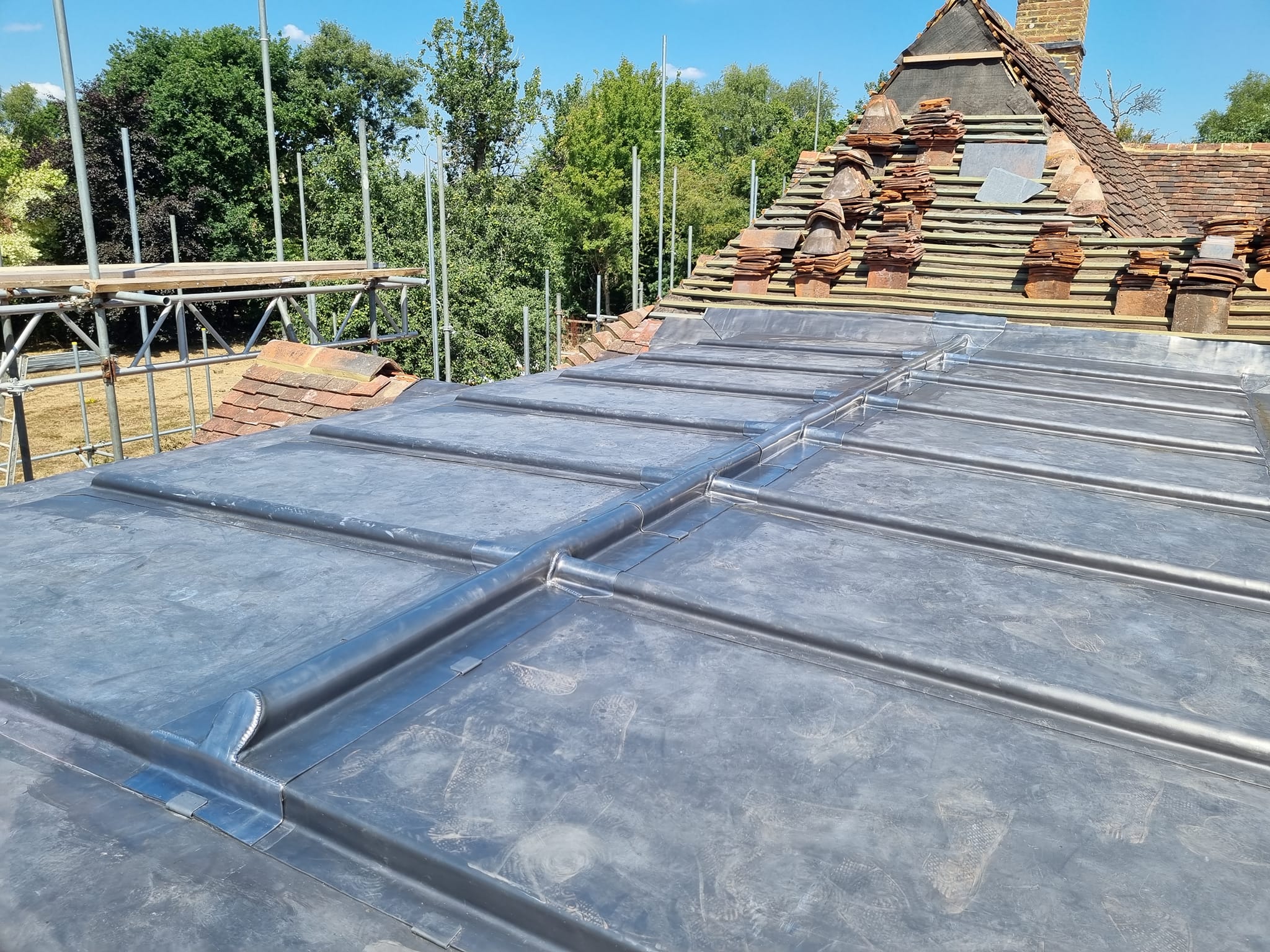
Lead roofs can be found on different types of buildings, including on properties with flat or low-pitched roof sections and more elaborate architectural designs. An existing lead covering may develop problems through age, damage, incorrect installation or restrictions in its natural movement. Where ornate detailing is involved, replacing everything isn't necessarily the best starting point.
A leadwork specialist can assess the condition of the existing material and determine whether suitable lead roofing repairs are possible.
Some sections may be repairable, while others may need replacing. Where the original detailing contributes to the appearance of the property, careful work may help retain that character. The right approach depends on the condition and design of the roof rather than appearance alone.
CHOOSING THE RIGHT ROOFING EXPERTISE IN BURGESS HILL
If you are planning roofing work on a property in Burgess Hill, think about what your project will actually involve before choosing a contractor. For routine work, competent roofing companies may be entirely suitable. With complex lead roofs, decorative features, unusual junctions and specialist repairs, experience with architectural leadwork becomes especially important.
Ask questions about the company’s previous projects and make sure proposed work accounts for both appearance and long-term weather protection.
We are Traditional Leadwork. We can discuss your requirements and help you to understand if a more specialist leadwork solution might be better suited for your property.