
THINGS FOR A ROOFER TO CONSIDER BEFORE UNDERTAKING LEAD ROOFING REPAIRS IN EAST GRINSTEAD
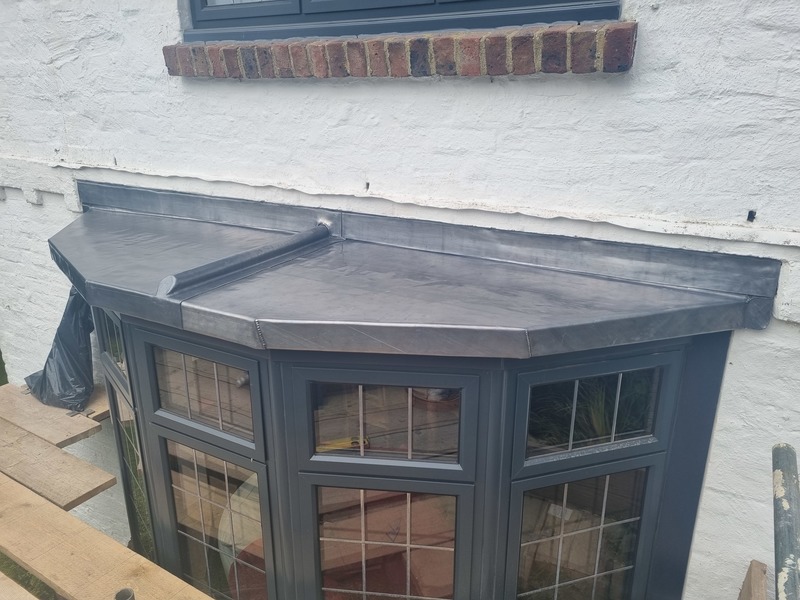
When a lead roof starts leaking or showing signs of damage, it is natural to want any problems fixed as soon as possible. However, arranging to have lead roofing repairs undertaken without first understanding what has gone wrong could lead to further difficulties. Lead is durable as a roofing material but it needs to be professionally installed and correctly maintained.
Before starting work, a roofer should check the condition of the roof, identify the causes of any damage and then decide which repairs are appropriate.
At Traditional Leadwork, we help property owners in East Grinstead to understand what may be involved before lead roofing work gets underway.
CHECK THE CONDITION OF THE EXISTING LEAD
The first step is to inspect the lead covering.
Some problems are easy to spot. There may be visible splits, loose sections or damaged joints.
Other issues can be harder to identify, especially if water is entering the building some distance from the damaged area. The roofer should look at the condition of the lead itself, along with the joints, fixings and surrounding roof details. It is important to establish whether a problem only affects a small area or a larger section of the roof.
A localised repair might be suitable in some cases. In others, replacing part of the covering may provide a better long-term solution.
FIND OUT WHY THE DAMAGE OCCURRED
Repairing visible damage is only part of the job.
The next question is what caused it.
Lead expands and contracts when temperatures change. If it has been installed without there being enough of an allowance for movement, the material can become stressed and could eventually split. Problems might also develop because of incorrect fixings, poorly formed joints, physical damage or the presence of deterioration in other parts of the roof.
This is why experienced leadwork specialists in the East Grinstead area always look beyond the obvious signs of a leak. If the original cause isn’t addressed, the repair may not last as long as expected.
CONSIDER THE TYPE OF ROOF
Different roof designs can affect how repairs need to be carried out.
The lead covering forms the main weatherproofing surface on lead roofs. The condition of the joints, supporting structure and drainage arrangements can all influence the repair method. Pitched roofs may have lead around chimneys, valleys, dormers and other junctions. These areas often need careful inspection because several roofing materials may meet in one place.
Flat roofs present different challenges, especially when water is not draining away properly. The roofer needs to understand how the structure is designed before deciding what work should be undertaken.
INSPECT LEAD ROOF FLASHING
Lead roof flashing helps prevent water from entering the building where the roof meets another surface. Common examples include junctions around chimneys, walls and dormer windows. If flashing has become loose, damaged or incorrectly fitted, water may find its way beneath the roof covering.
However, a leak near a chimney does not automatically mean the flashing is responsible.
The surrounding slates, tiles, mortar and other roof details may also need checking. Identifying the actual source of the problem when inspecting lead roofs in East Grinstead helps to avoid unnecessary work.
DECIDE WHETHER REPAIR OR REPLACEMENT IS NEEDED
Not every damaged lead covering needs to be replaced.
Some problems can be dealt with through suitable lead roofing repairs, as long as the existing material is in a condition that makes a repair practical. The size and position of the damaged area matter. So do the age of the lead, the way it was originally installed and the condition of the surrounding sections.
A temporary measure may sometimes be needed to keep water out until permanent work can be arranged. This should not be confused with a lasting repair. Where damage is extensive or the original installation is unsuitable, replacing a section of lead could be the more sensible option.
A proper inspection should help establish the best approach.
CHECK ACCESS & SAFETY REQUIREMENTS
Before work can start, the roofer must also consider how the roof can be reached safely. Some lead roofing repairs might require scaffolding or other suitable access equipment. The height of the building, the roof pitch and the position of the damaged area will affect what is needed.
There might be other practical issues to consider such as protecting the areas below where the work will take place, or arranging safe access around the property.
These requirements should be considered when planning the job, not when work begins.
MAKE SURE THE RIGHT SKILLS ARE AVAILABLE
Many roofing companies in East Grinstead carry out a wide range of roofing repairs, and some have considerable experience working with lead.
However, not every roofing job requires the same skills.
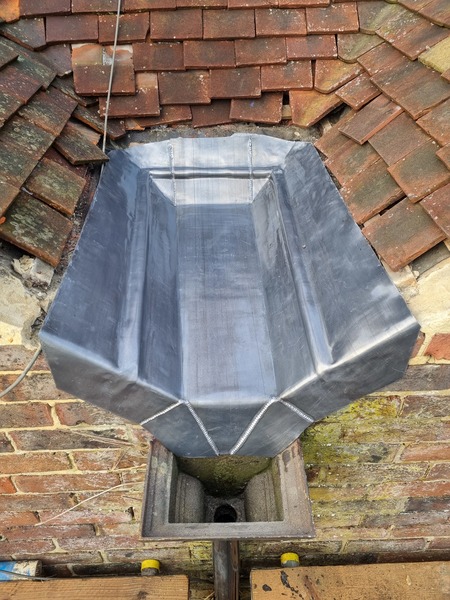
More complicated leadwork could involve forming new sections, dealing with unusual joints or making repairs around architectural features. In these situations, it is worth checking that the contractor has relevant experience. A clear explanation of the proposed repairs, the materials required and the likely scope of the work can help a property owner make an informed decision.
PLANNED LEAD ROOFING REPAIRS IN EAST GRINSTEAD
When any property in East Grinstead needs attention, it is worth establishing what the problem involves before commissioning the work. A proper assessment can help identify the causes of the damage, determine whether repair or replacement is appropriate, and highlight any access requirements.
It also gives you an opportunity to ask questions before agreeing to the work.
At Traditional Leadwork, we can discuss the condition of your roof and recommend a leadwork service that might be more suitable for your property type.