
MAINTAINING LEAD FLASHING IN HENFIELD | KEEP ROOFS IN GOOD CONDITION TO REDUCE REPAIRS OR REPLACEMENTS
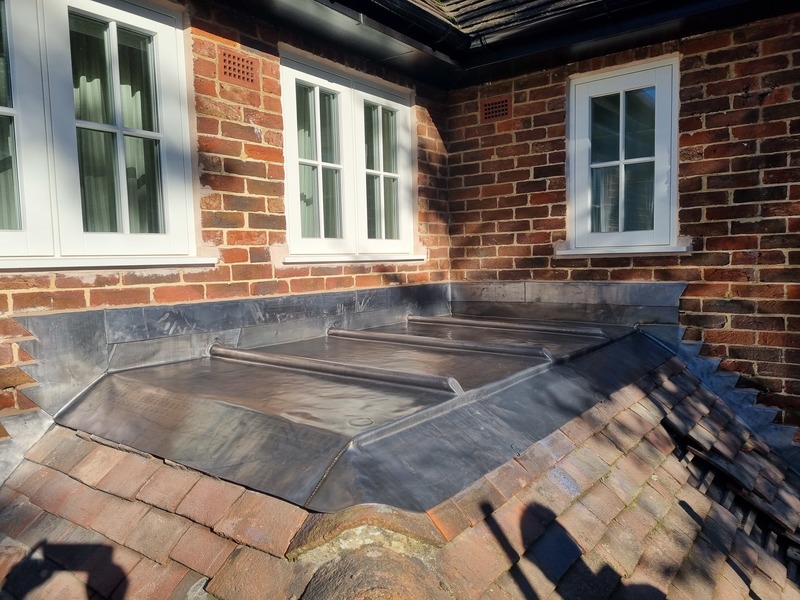
Lead roofs can look perfectly sound when viewed from ground level, but this doesn’t mean that problems aren’t developing around the joints, lead flashings and drainage areas. These issues may not cause an immediate leak. However, if they are left unattended, they can eventually lead to water entering the building and damaging the materials underneath.
This is why regular roof maintenance is important.
Traditional Leadwork helps property owners in Henfield to look after their leadwork and identify potential issues before they become more serious.
By having pitched roofs or flat roofs inspected, and choosing experienced leadwork specialists or reputable roofing companies for maintenance work when needed, property owners can have greater confidence that potential problems will be identified and addressed.
WHY REGULAR LEADWORK MAINTENANCE MATTERS
Lead is a durable roofing material but it is not completely maintenance-free.
Like other roofing materials, lead can be affected by age, weather conditions, physical damage and problems with the way it was originally installed. Lead also expands and contracts as the seasons and temperatures change. If the joints or fixings prevent this natural movement, the material may become stressed and eventually split.
Regular inspections can help identify these problems before they develop further.
This does not mean every roof will need work each time it is inspected.
Sometimes, an inspection simply confirms that the existing leadwork is in good condition. The important thing is to know what is happening rather than wait for a leak to appear.
CHECKING LEAD ROOF FLASHING
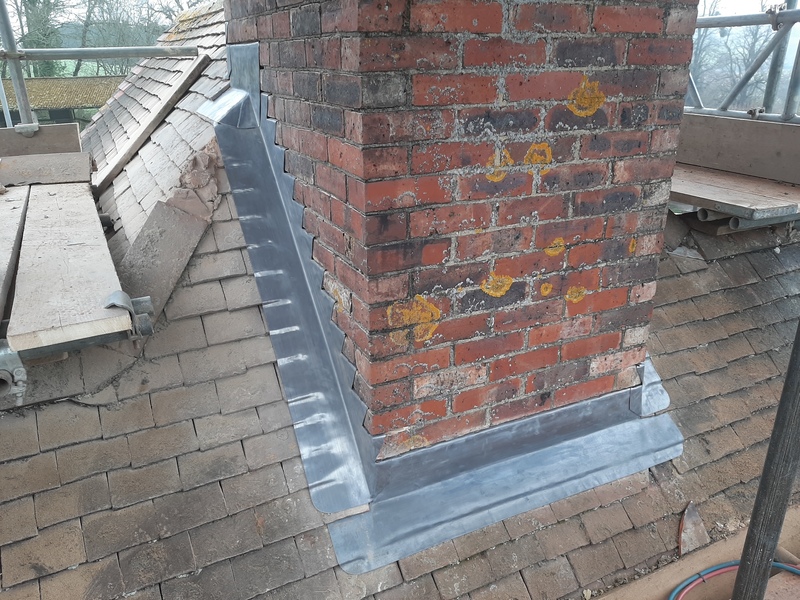
Lead Flashing is used to protect vulnerable junctions where the roof meets a chimney, a wall or another part of the building. Over time, flashing may become loose, damaged or displaced. Problems can also develop around mortar joints or surrounding roof coverings. A maintenance inspection should check whether the lead is still properly secured and whether it still provides suitable weather protection for a Henfield property.
The condition of the surrounding slates, tiles and other materials should also be considered.
A leak near a chimney, for example, doesn’t necessarily mean that lead flashing is responsible. Finding the actual cause of a problem helps avoid unnecessary repairs.
MAINTAINING PITCHED & FLAT ROOFS
Different roof designs need different types of maintenance.
On pitched roofs, lead is commonly used around chimneys, dormers, valleys and the junctions against walls. These areas should be checked for signs of movement, damage and anything that could prevent rainwater from draining away properly.
Flat roofs have their own requirements.
Some use lead as the main covering while others incorporate leadwork around a roof’s edges, a wall or another feature. On lead flat roofs, particular attention should be paid to the condition of the lead covering, its joints and the drainage arrangements. Blocked outlets and guttering could allow water to collect where it should be draining away.
Keeping these areas clear can help protect a roof and reduce the risk of water-related damage.
WHAT DOES ROUTINE MAINTENANCE INVOLVE?
A suitable maintenance programme will depend on the type, age and condition of the roof.
However, there are several key areas that could need regular attention. These include checking lead flashings and joints, looking for splits or loose sections, inspecting gutters and outlets, and examining the condition of the surrounding roofing materials.
Leaves, moss and other debris may need to be removed where they are affecting drainage.
It is also worth checking for any signs of water entering your building such as damp patches or stains on ceilings and walls. Property owners in Henfield can often spot the warning signs from inside their building or from a safe position at ground level.
Lead roof inspections and lead roof repairs should be left to tradespeople with suitable training and safe access equipment.
HOW OFTEN SHOULD LEADWORK BE INSPECTED?
There is no single maintenance schedule that suits every property.
The roof design, surrounding trees, exposure to weather and condition of the existing materials can all affect how often an inspection is needed. As a starting point, arranging professional roof inspections at least once a year can be sensible. Additional checks could be worthwhile after a bout of severe weather, particularly if there are signs of damage or blocked drainage.
An experienced roofer can advise on suitable inspection schedules for properties in Henfield.
Keeping a record of inspections and of any completed work can also be useful when planning a future maintenance visit.
HOW MAINTENANCE CAN REDUCE REPAIR COSTS
One of the main benefits of regular maintenance is the opportunity to deal with small problems before they become larger ones. Loose lead flashing or a blocked outlet may be easier for your tradesperson to address when identified early. If water is allowed to enter the building over a longer period, the resulting damage could affect timber, insulation, ceilings and other materials.
The cost of putting problems right may be considerably greater than the cost of addressing the original roofing defect.
Regular maintenance can also help property owners plan necessary lead roofing repairs, rather than having to arrange urgent work if a leak develops. There is no guarantee that maintenance will prevent every repair, but it can reduce the likelihood of avoidable damage.
CAN MAINTENANCE HELP AVOID A ROOF REPLACEMENT?
Well-maintained lead roofs can provide many years of service.
Their condition depends on more than the lead’s age. The original installation, an allowance for thermal movement, drainage and supporting materials can all play a part. Where a problem is identified early, it may be possible to repair a localised area rather than replace a larger section. In other cases, the lead may already be too damaged or incorrectly installed for a lasting repair to be practical.
Leadwork specialists can assess the condition of existing coverings and explain which options are most suitable. The aim is to keep serviceable leadwork in good condition for as long as it is reasonably possible to do so without delaying replacement when it is genuinely needed.
CHOOSING THE RIGHT TEAM FOR MAINTENANCE
Many roofing companies provide roof inspection and maintenance services.
Some have considerable experience with lead.
For more complicated leadwork, it is worth checking that contractors understand the materials and the way they should be installed. Your roofer should be able to identify potential problems, explain whether work is necessary and recommend a suitable approach. Property owners from Henfield should not feel that every inspection needs to result in a repair.
Good maintenance is about protecting the roof, not carrying out unnecessary work.
KEEPING LEADWORK IN GOOD CONDITION
If your property in Henfield has lead flashings, lead-covered roof sections or other lead detailing that could require maintenance, regular inspections can help you stay fully informed about their condition. Dealing with minor defects, keeping the drainage areas clear and arranging a suitable repair when it is needed could help prevent a more expensive problem further down the line.
Traditional Leadwork can discuss your maintenance requirements and help you to understand which leadwork services may be most suitable for your property.